Volunteer Project Catalog
Wildlife Program
WDFW has statewide volunteer opportunities for students in AA, BA, and MA programs from accredited schools to participate in archaeological fieldwork to include: pedestrian survey, shovel probe survey, controlled excavations, recording archaeological and historic period sites and isolates, recording historic architecture, and documentation of projects and finds. Training will be provided for students with no prior fieldwork experience.
How you can help:
Hunter Education
This will be a running project with multiple ways to help and dates. Please contact Travis as he will pull you when needed. Please record your hours here. This will be for doing elk fence work in multiple locations around North Snohomish/ Skagit/ South Whatcom county.
How you can help:
Friends of the Issaquah Salmon Hatchery (FISH)
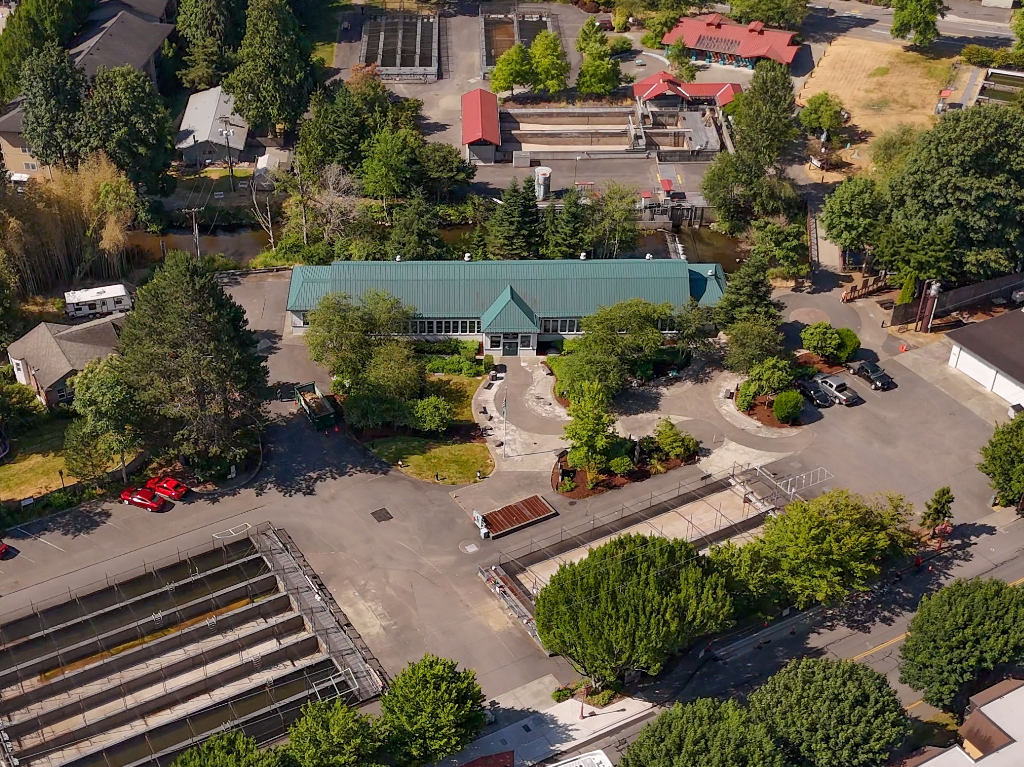
Welcome to the Friends of the Issaquah Salmon Hatchery (FISH) project page! If you are a new volunteer, you can get started by learning more about our volunteer activities and complete FISH registration at https://www.issaquahfish.org/volunteer/. You may now add yourself to a shift using our Sign Up Genius dashboard. Please reach out if you need this link. Thank you for your patience and understanding!
How you can help:
Outreach & Education
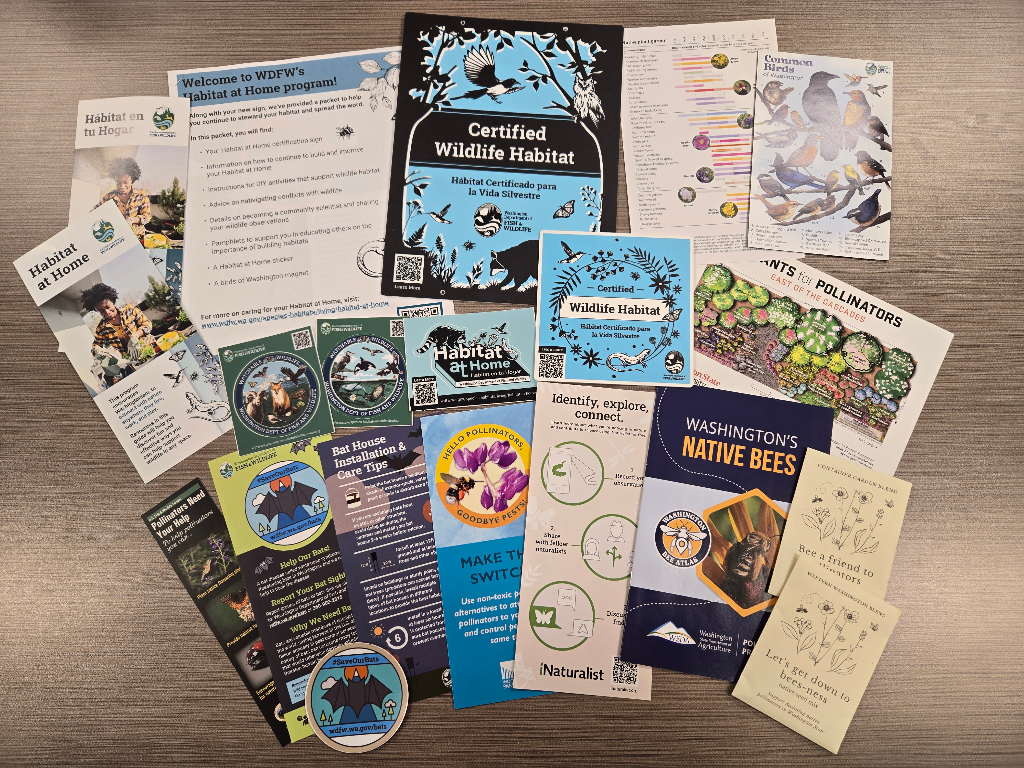
Help WDFW staff pack welcome packets for our Habitat at Home and Love Cats, Love Wildlife programs. Packing parties are at the WDFW Ridgefield office. These are indoor, low-impact activities with seating provided. Reach out to Claire Kerwin with questions. If you'd like to participate but the shifts don't work for you, please contact us and we may be able to find a better date. Relevant programs: Habitat at Home: https://wdfw.wa.gov/species-habitats/living/habitat-at-home Love Cats, Love Wildlife: https://wdfw.wa.gov/species-habitats/living/cats-wildlife
How you can help:
Hunter Education
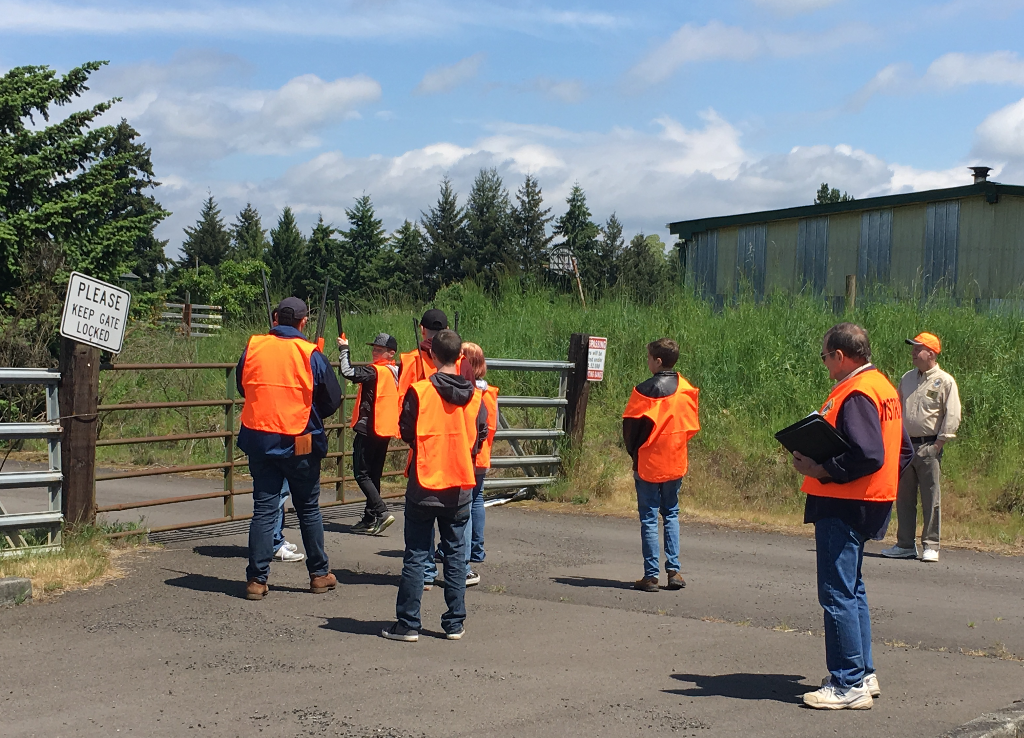
This opportunity is specifically for hunter education instructor applicants in Region 5 (SW WA) who have not been fully certified yet. This will cover hours for the online course, the in-person pre-service training, and the mentored teaching component. You MUST submit a hunter education instructor application to WDFW prior to being added to this opportunity. If you have not yet submitted an application and would like to become an instructor, please email me at amy.elliott@dfw.wa.gov or call me at 360-915-4779. ***Once certified, your teaching hours will be recorded and tracked in the Kalkomey Event Manager, not in VolunteerMatters.***
How you can help:
Hunter Education
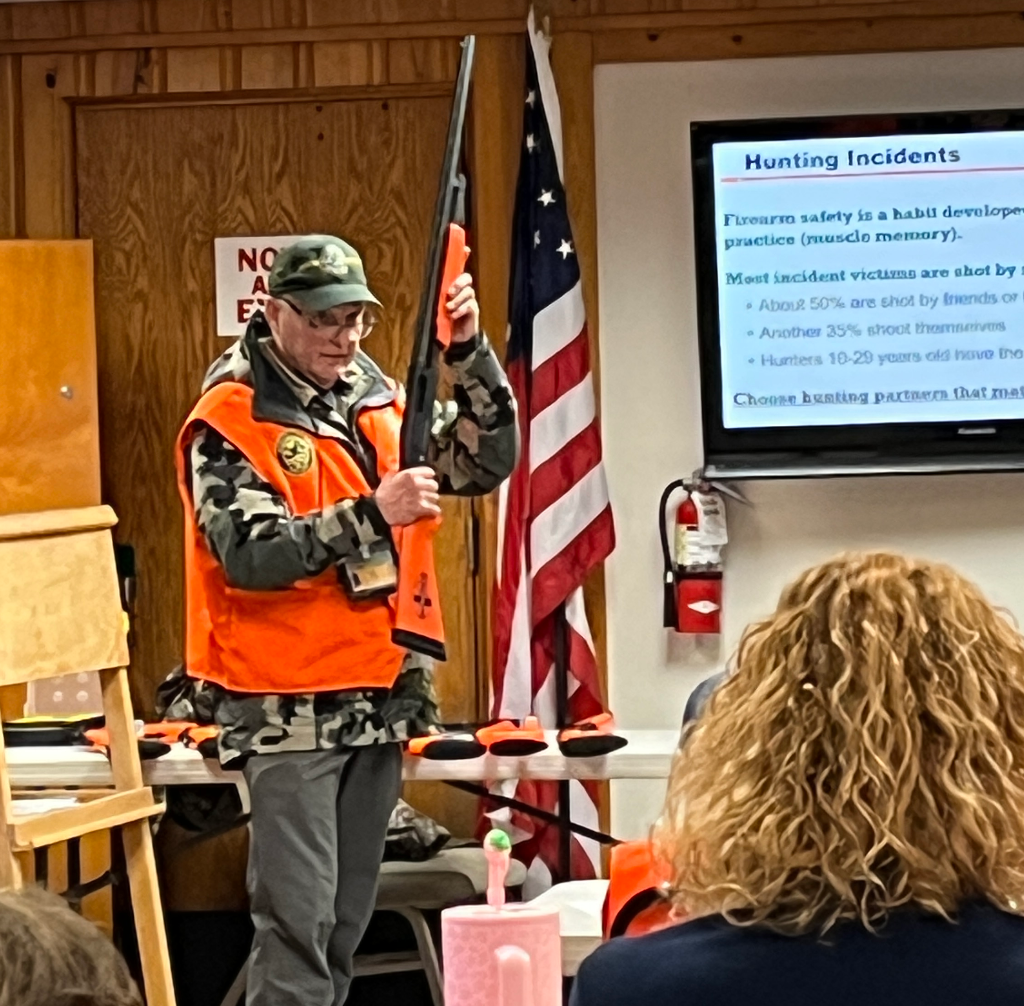
This opportunity is specifically for hunter education applicants in Region 4 who have not completed the process yet. This will cover hours for the Pre-Service training and the teaching portion. You MUST have an application in with the department to be added to this opportunity. If you have not yet submitted an application and would like to become an instructor, please email me at jacqueline.mcbride@dfw.wa.gov or go here for more information and the application https://wdfw.wa.gov/hunting/requirements/education/how-to-become-instructor. ***Once certified, your teaching hours will be recorded and tracked in Kalkomey, not here.
How you can help:
Hunter Education
If you have applied to become a Region 6 (Coastal) hunter education instructor, please record your volunteer hours in this project. Include the time you spent on the online instructor course, the pre-service training, and any hours helping in class and completing your mentorship. Once you are certified as an instructor, you will use a different system (Kalkomey) to record your hours. If you have not yet submitted an application, please email bridget.mire@dfw.wa.gov.
How you can help:
Wildlife Program
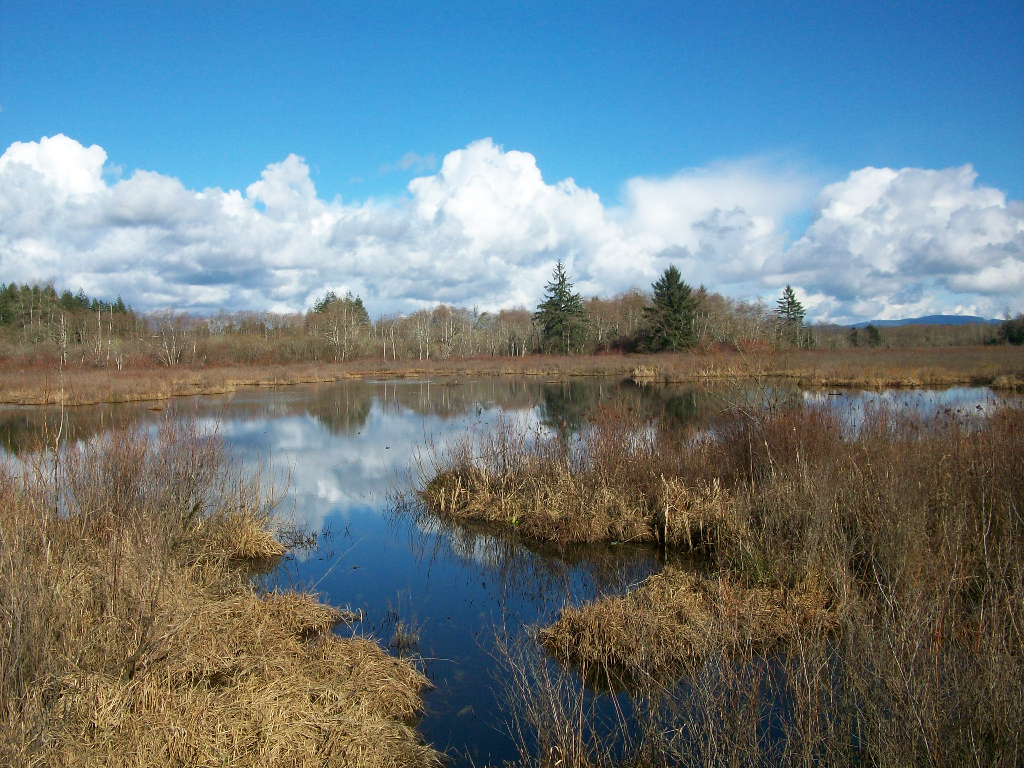
The Chehalis Unit is a popular spot for fishing, duck hunting, and taking a stroll near Elma, WA. Here you can expect to see open wetland, riparian shrub, and meadow habitats. Unfortunately, this site has a long history of dumping. This is where we need your help. We are looking for volunteers to help us keep this area clean of litter so that this remains a place where wildlife and visitors can thrive. As a volunteer you will be expected to pick up trash using gloves, trash grabbers, and trash bags. The trail at this site is compact. The parking lot and road leading into this unit are in rough shape so be careful of potholes when driving in. Trash can sometimes be in easy to grab spots and other times buried in thorny blackberry vines. Any help with litter clean-up is appreciated regardless of if you can get trash in hard-to-reach places. If you have any questions, please feel free to reach out to the volunteer supervisor. Thank you for volunteering with WDFW, we look forward to meeting you! For more information about the Chehalis Unit and a map of all parking lots visit our website: https://wdfw.wa.gov/places-to-go/wildlife-areas/chehalis-wildlife-area-unit
How you can help:
Wildlife Program
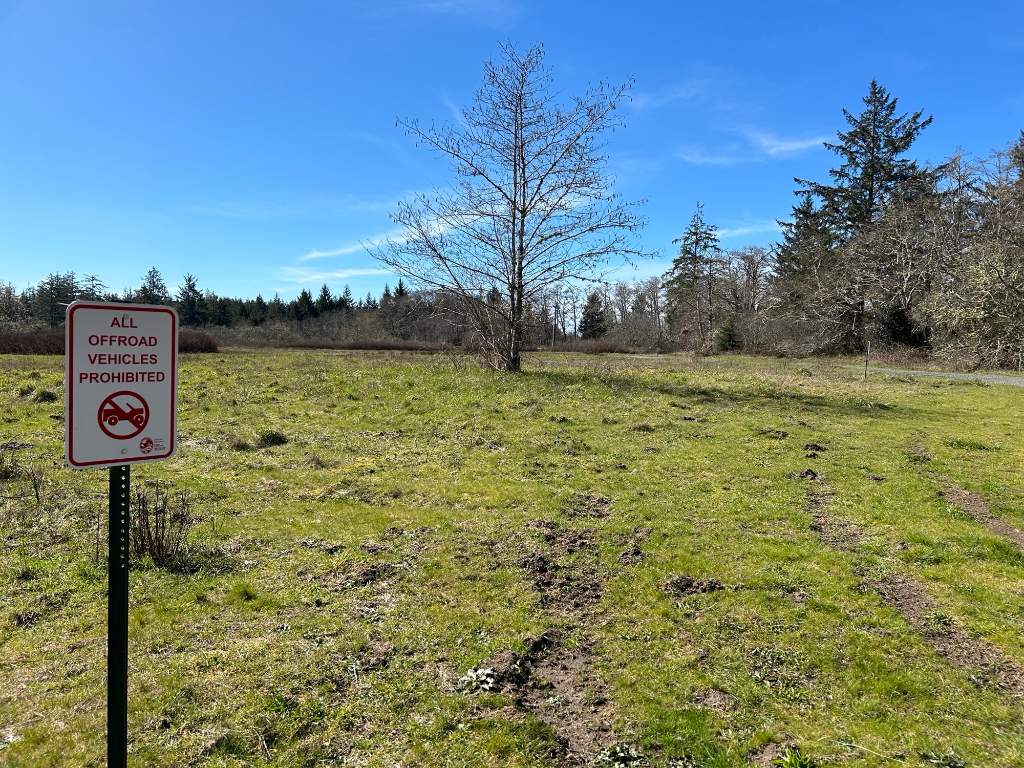
The Chinook Unit is a popular spot for pheasant, duck, elk, and deer hunting in Pacific County, WA. Here you can expect to see seasonal wetland and estuary habitats. We are looking for volunteers to help us keep the area free of litter so that this remains a place where wildlife and visitors can thrive. As a volunteer you will be expected to pick up trash using gloves, trash grabbers, and trash bags. The trail at this site is compact. The parking lot is gravel. Trash can sometimes be in easy to grab spots and other times buried in thorny blackberry vines. Any help with litter clean-up is appreciated regardless of if you can get trash in hard-to-reach places. If you have any questions, please feel free to reach out to the volunteer supervisor. Thank you for volunteering with WDFW, we look forward to meeting you! For more information about the Chinook Unit and a map of all parking areas visit our website: https://wdfw.wa.gov/places-to-go/wildlife-areas/chinook-wildlife-area-unit
How you can help:
Wildlife Program
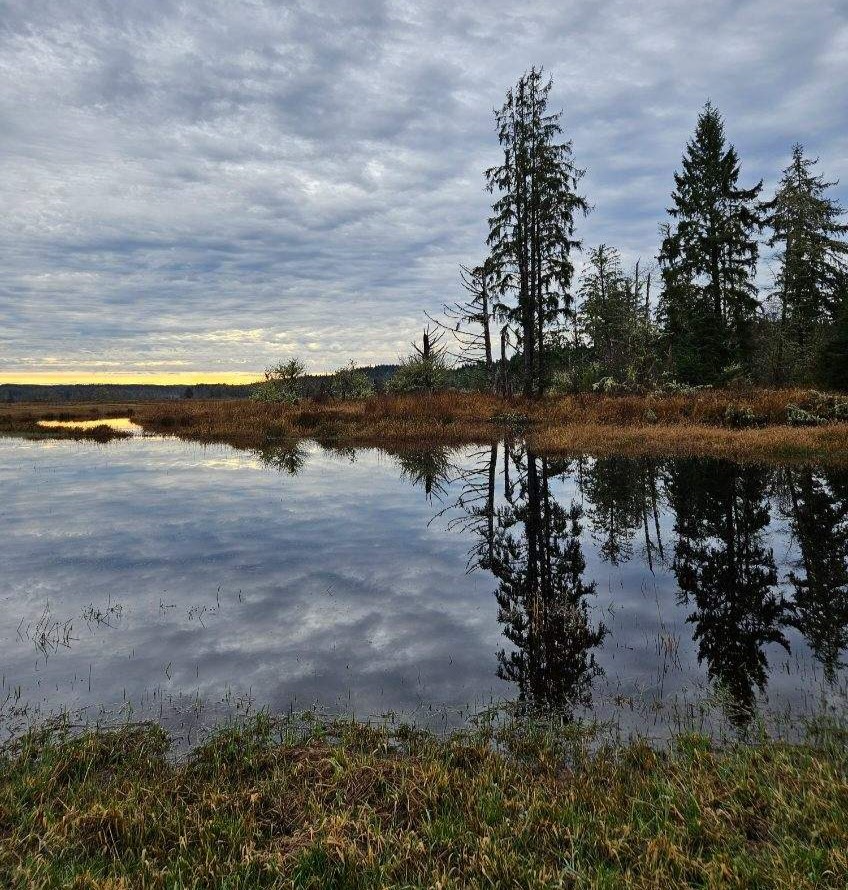
The Johns River Unit is a popular spot for fishing, dog walking and bird viewing near Westport. Here you can expect to see estuary and riparian forest habitats. We are looking for volunteers to help keep the area free of litter so that this remains a place where wildlife and visitors can thrive. As a volunteer you will be expected to pick up trash using gloves, trash grabbers, and trash bags. The trail at this site is compact. The parking lot is gravel. Trash can sometimes be in easy to grab spots and other times buried in thorny blackberry vines. Any help with litter clean-up is appreciated regardless of if you can get trash in hard-to-reach places. If you have any questions, please feel free to reach out to the volunteer supervisor. Thank you for volunteering with WDFW, we look forward to meeting you! For more information about the Johns River Unit and a map of all parking areas visit our website: https://wdfw.wa.gov/places-to-go/wildlife-areas/johns-river-wildlife-area-unit
How you can help:
Wildlife Program
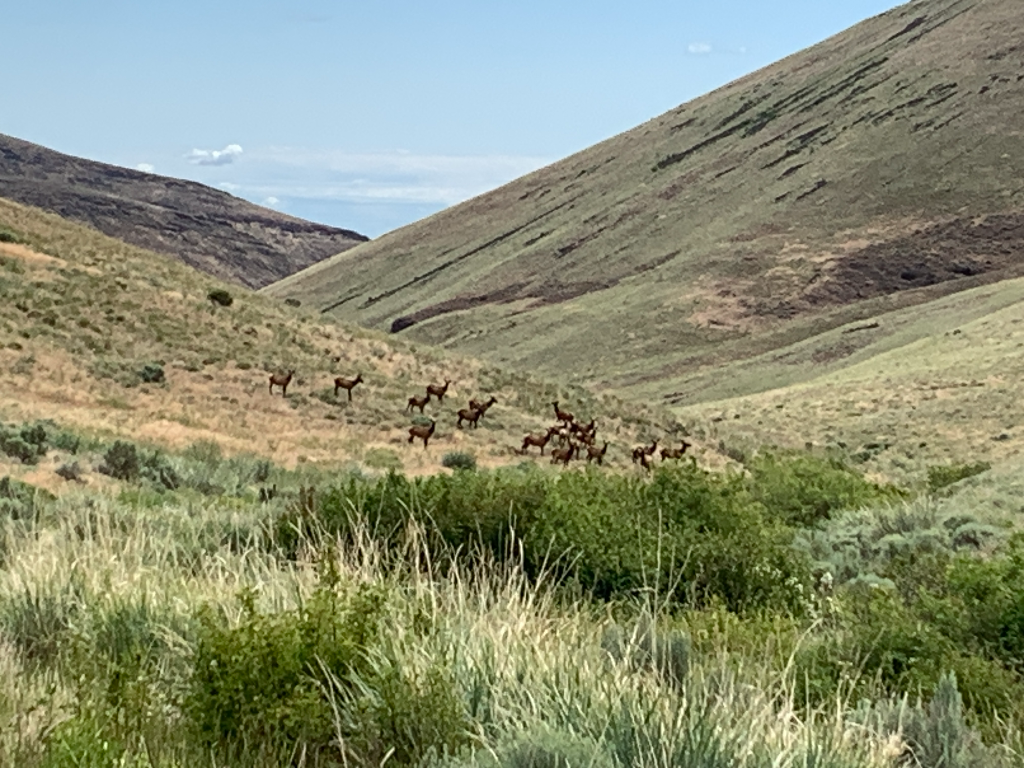
Opportunities improve or restore habitat in the LT Murray Wildlife Area.
How you can help:
Wildlife Program
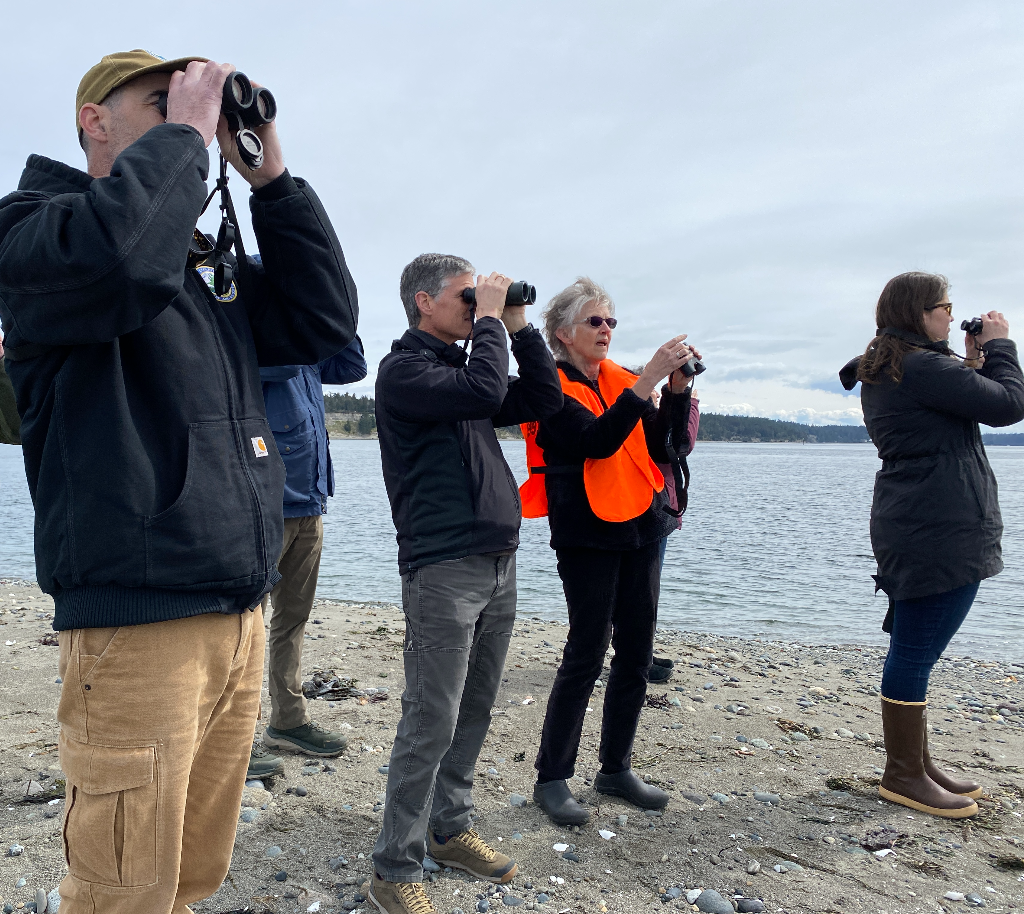
This project assists with outreach and the closure of Rat Island, part of the Marrowstone Unit of the North Olympic Wildlife Area, during summers. Volunteer as a docent to help inform beachgoers about the wildlife that uses Rat Island and the reasons for summer closures to the public.
How you can help:
Hunter Education
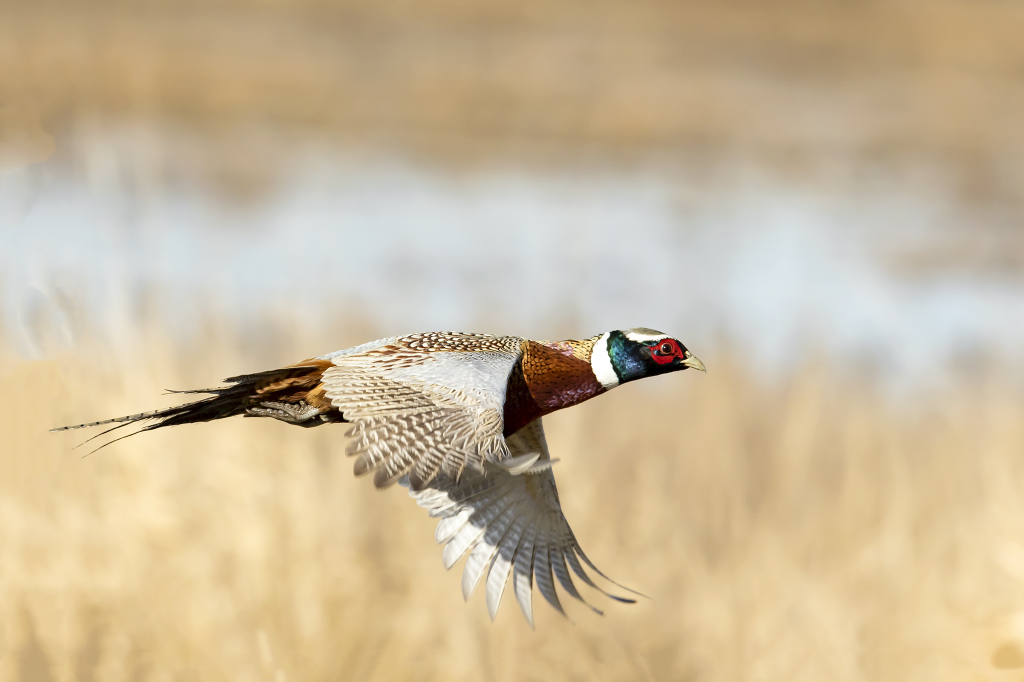
This project is where you can log hours for projects such as cleaning up water access areas, doing work around wildlife areas, other WDFW led, associated, or related projects that have no listing in Volunteer Matters, specifically for region 4 (King, Snohomish, Whatcom, Skagit, Island, and San Juan Counties).
How you can help:
Wildlife Program
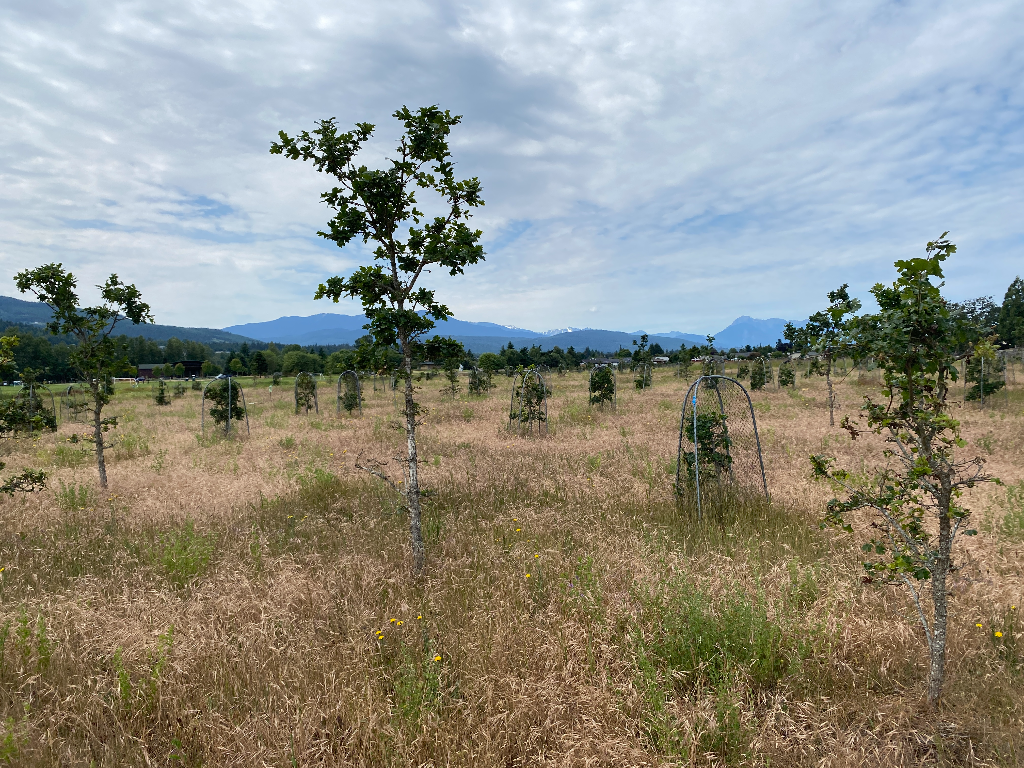
Be a part of this volunteer-led initiative in Sequim to restore an area to a diverse oak habitat. Just north of Carrie Blake Park, the Bell Creek Wildlife Area Unit was planted with over 2,000 oak trees in the early 2000s by many volunteers. Ongoing work includes the removal of predator-prevention cages for trees that are outgrowing them, and work to restore the understory of the area.
How you can help: